Obstacle avoidance is not enough
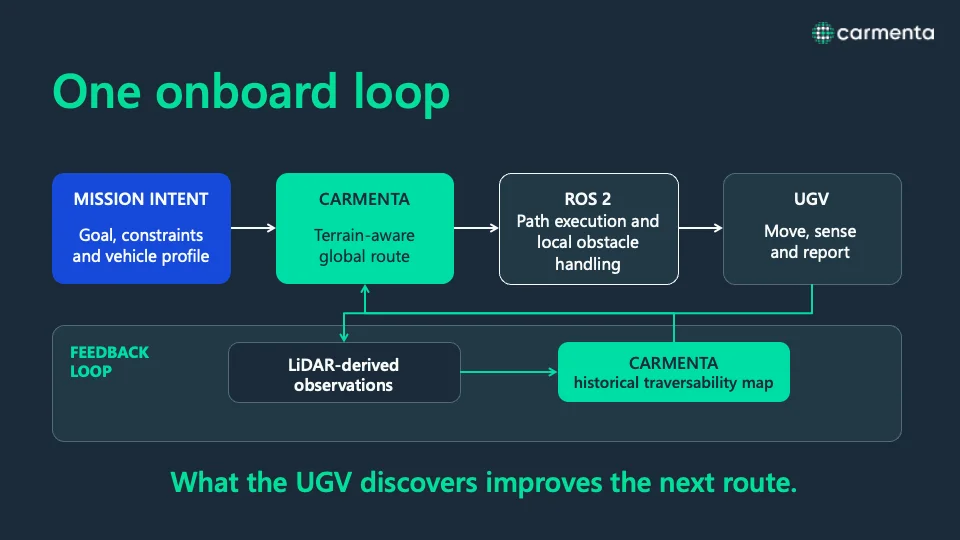
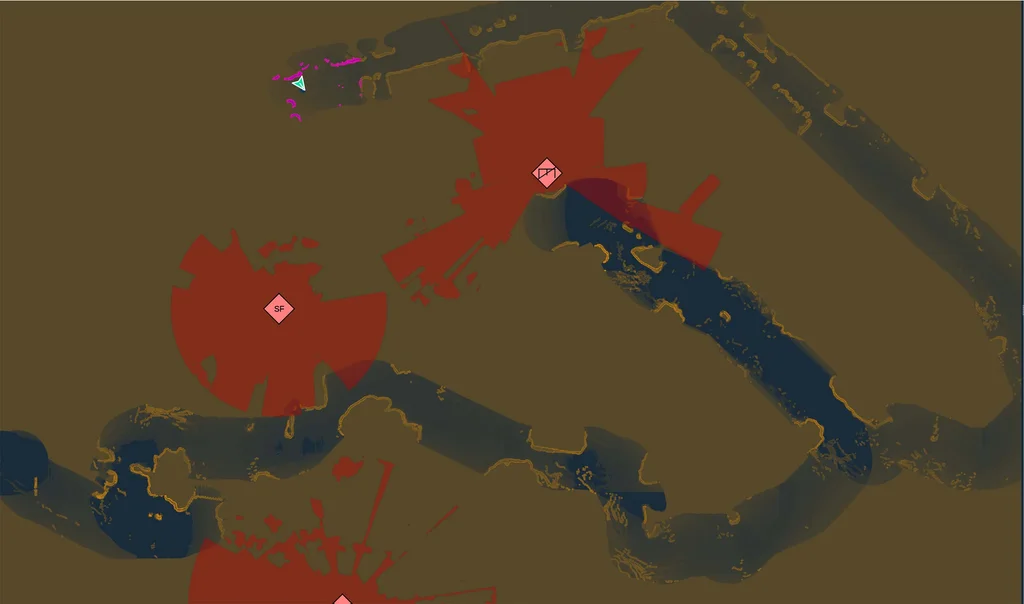
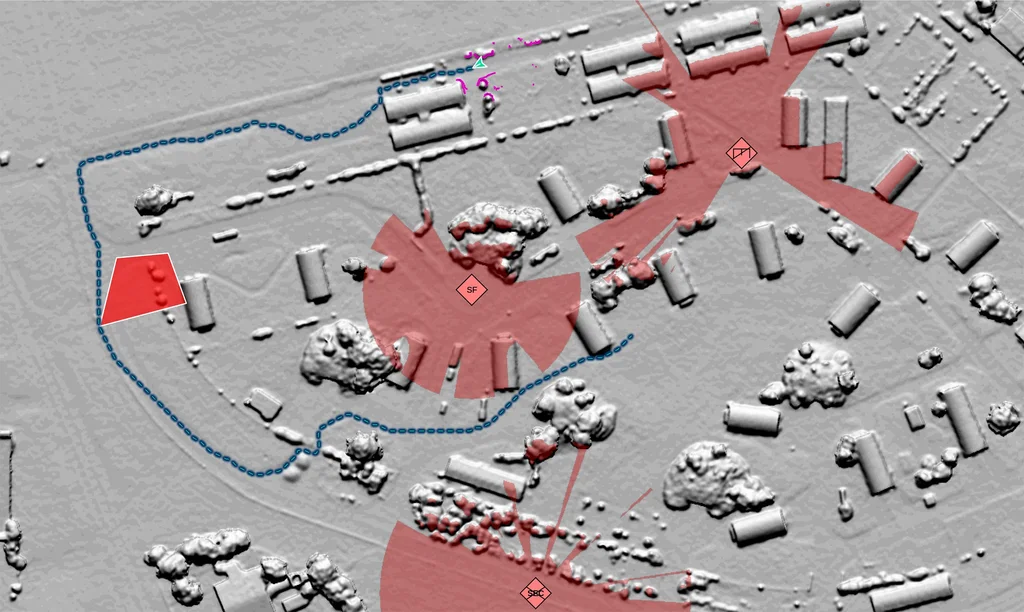
For route planning, this presents a challenge. Modern autonomy stacks such as ROS 2 Nav2 are highly capable of obstacle avoidance, local planning and route execution. When an obstacle appears, the vehicle can detect it and navigate around it.
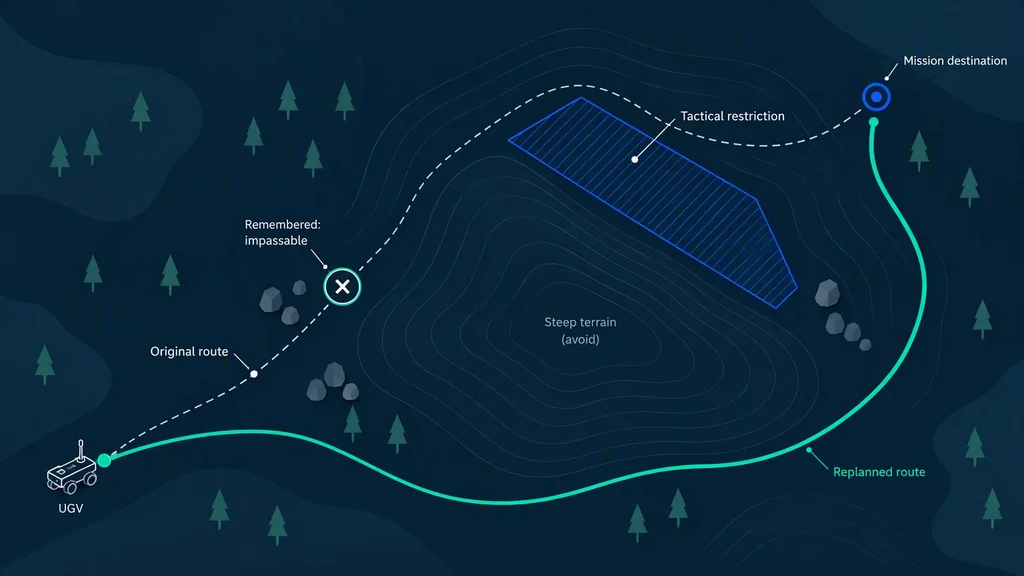
However, many systems still treat each obstacle encounter as an isolated event, and retain no memory of it. As a result, the vehicle may avoid the obstacle and turn around to find an alternative route, only to then forget about the obstacle and approach the same area again. The risk is not only slower progress, but also that the UGV can become stuck, repeatedly making the same mistake. The same challenge applies to multiple vehicles operating in the same area, with no way of sharing what they have learned.
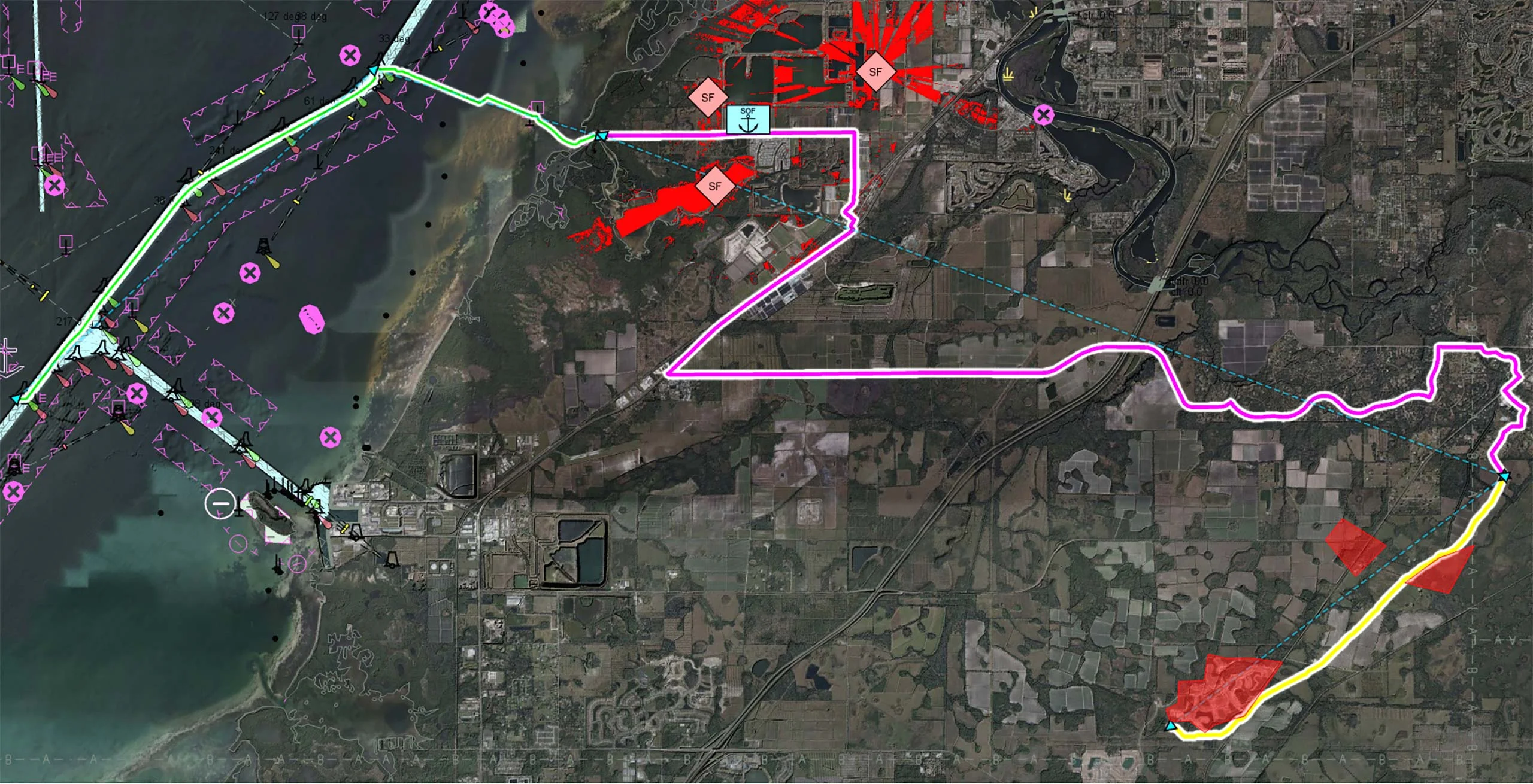
Delays, loss of mobility, unnecessary exposure, or repeated attempts to navigate unsuitable terrain can all affect mission success and reduce vehicle survivability. A vehicle that can adapt its route as conditions change is more likely to remain mobile and mission-effective.
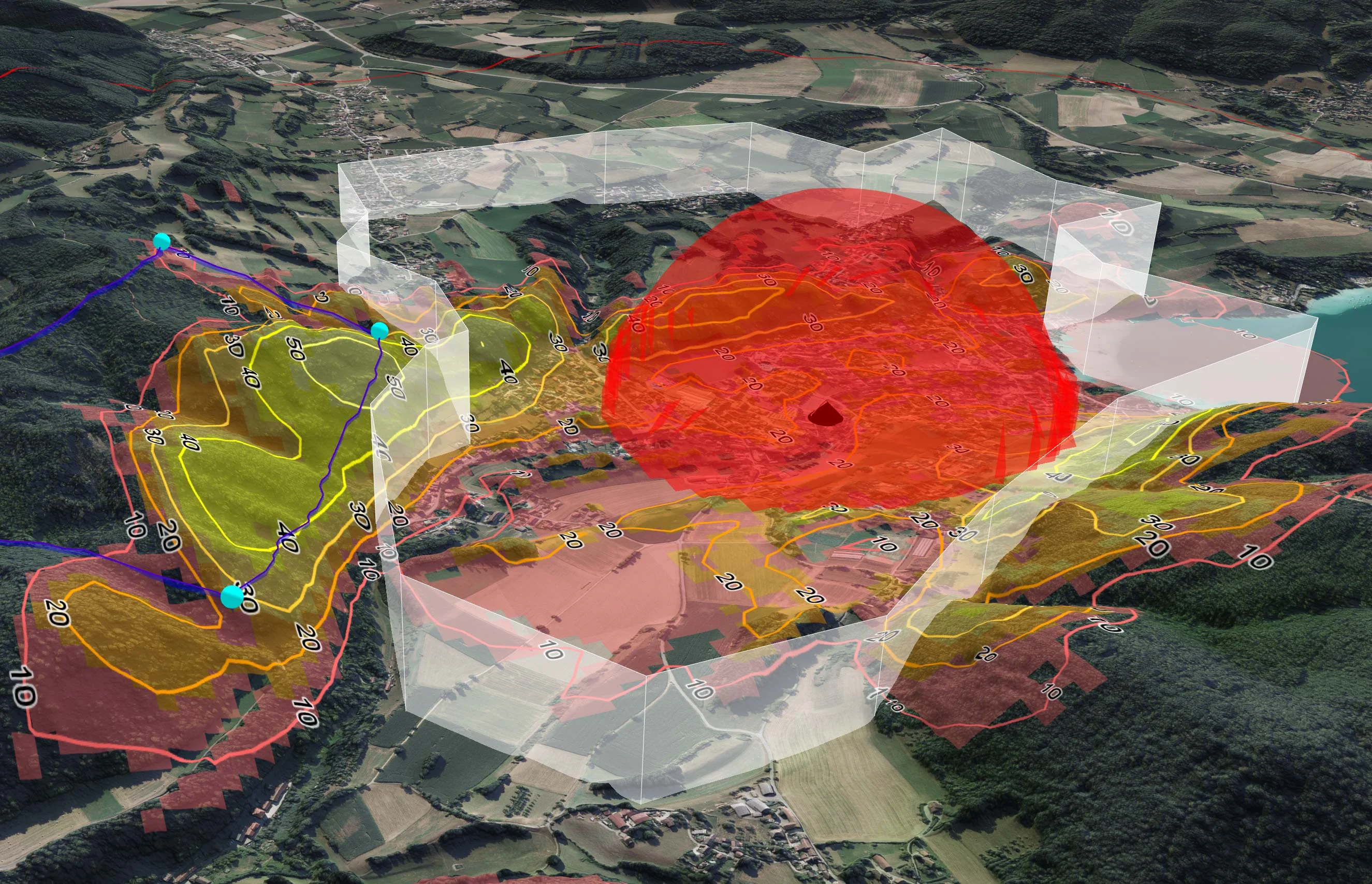
What is missing to achieve this is the ability to dynamically recalculate the route at the edge.