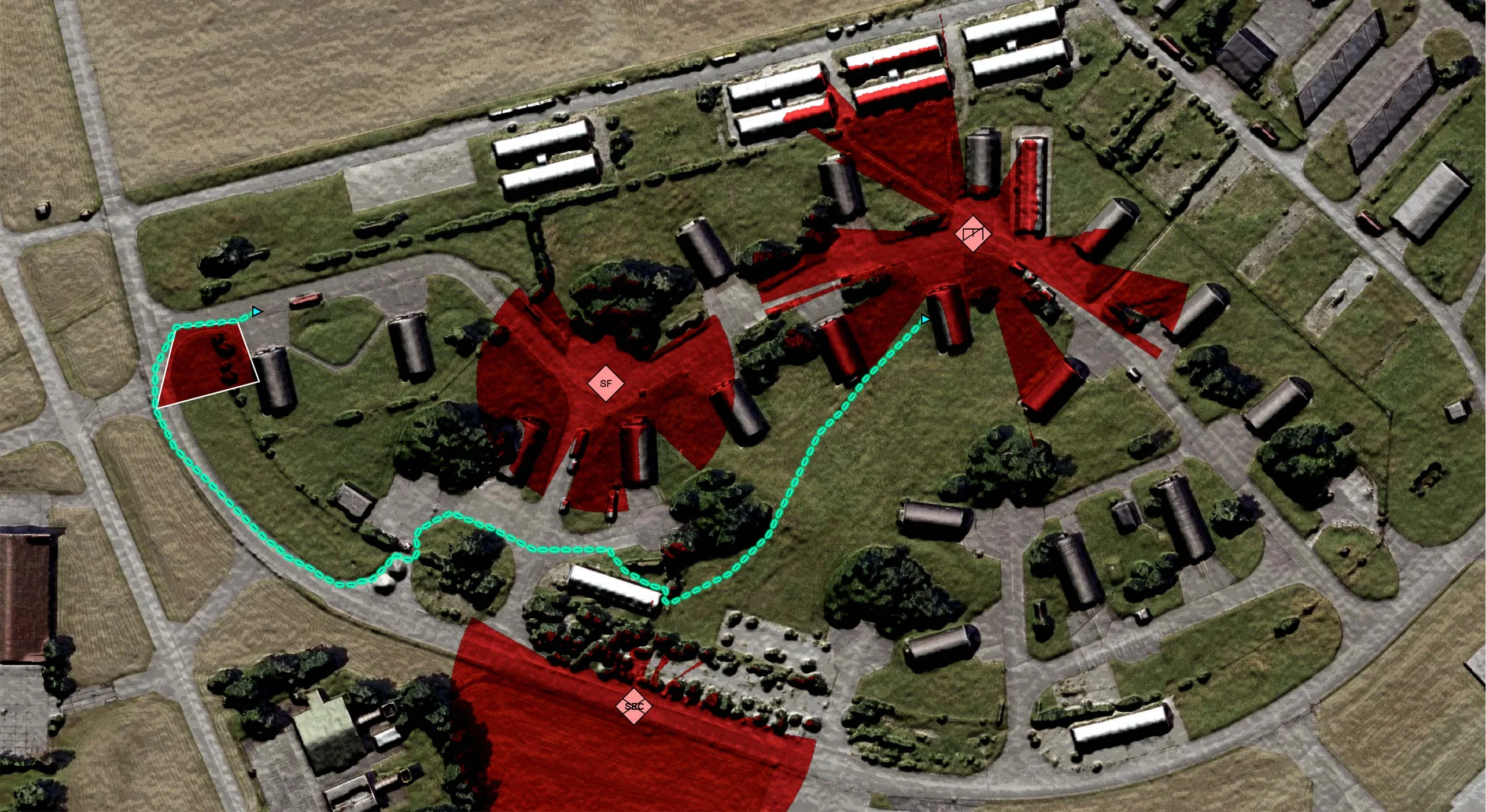
Bringing dynamic route intelligence to UGVs at the edge
Discover how Carmenta Terrain Router integrates with ROS 2 Nav2 to enable real-time UGV route replanning, terrain-aware navigation, and improved survivability.
Read more
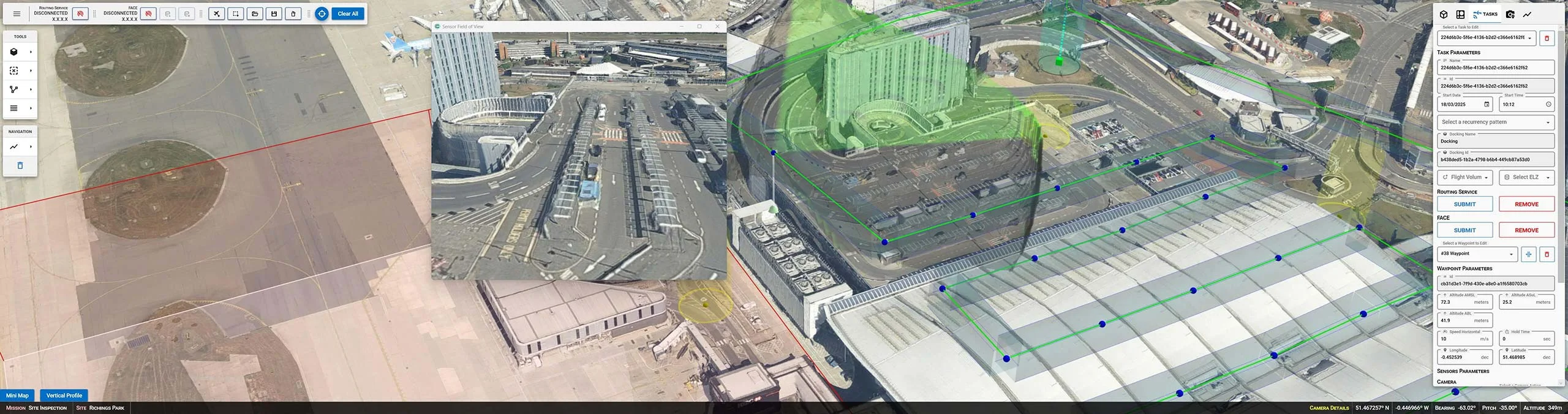
Carmenta is proud to announce the conclusion of the HADO project, paving the way for safe and autonomous drone flights in urban environments and high-intensity airspace.
The project, which has involved extensive development, collaborations and flight trials in Heathrow Airport’s Flight Restriction Zone (FRZ), has shown great potential for safe and efficient autonomous drone operations in highly congested urban environments.
Project HADO® (High-intensity Autonomous Drone Operations), was initiated by the UK innovaton agency, Innovate UK, in 2022. Part of the Future Flight Challenge program, it involved a consortium of partners consisting of Carmenta, Operational Solutions Limited (OSL), Thales, Herotech8, London Heathrow Airport, Cranfield University, Dynamic Intelligence Solutions, and UAVTek.
The goal of the project has been to demonstrate that multiple drones can be safely and autonomously operated beyond visual line of sight (BVLOS) in high-intensity environments, in this case within one of the world’s busiest and most complex airspaces, London Heathrow Airport. The broader implications of the initiative is to unlock the potential for a commercial deployment of autonomous unmanned aerial systems (UAS) in high intensity environments.
The final flight trials were conducted in Heathrow Airport’s Flight Restriction Zone (FRZ), and the outcomes from the project show great potential for autonomous drone operations in these types of environments.
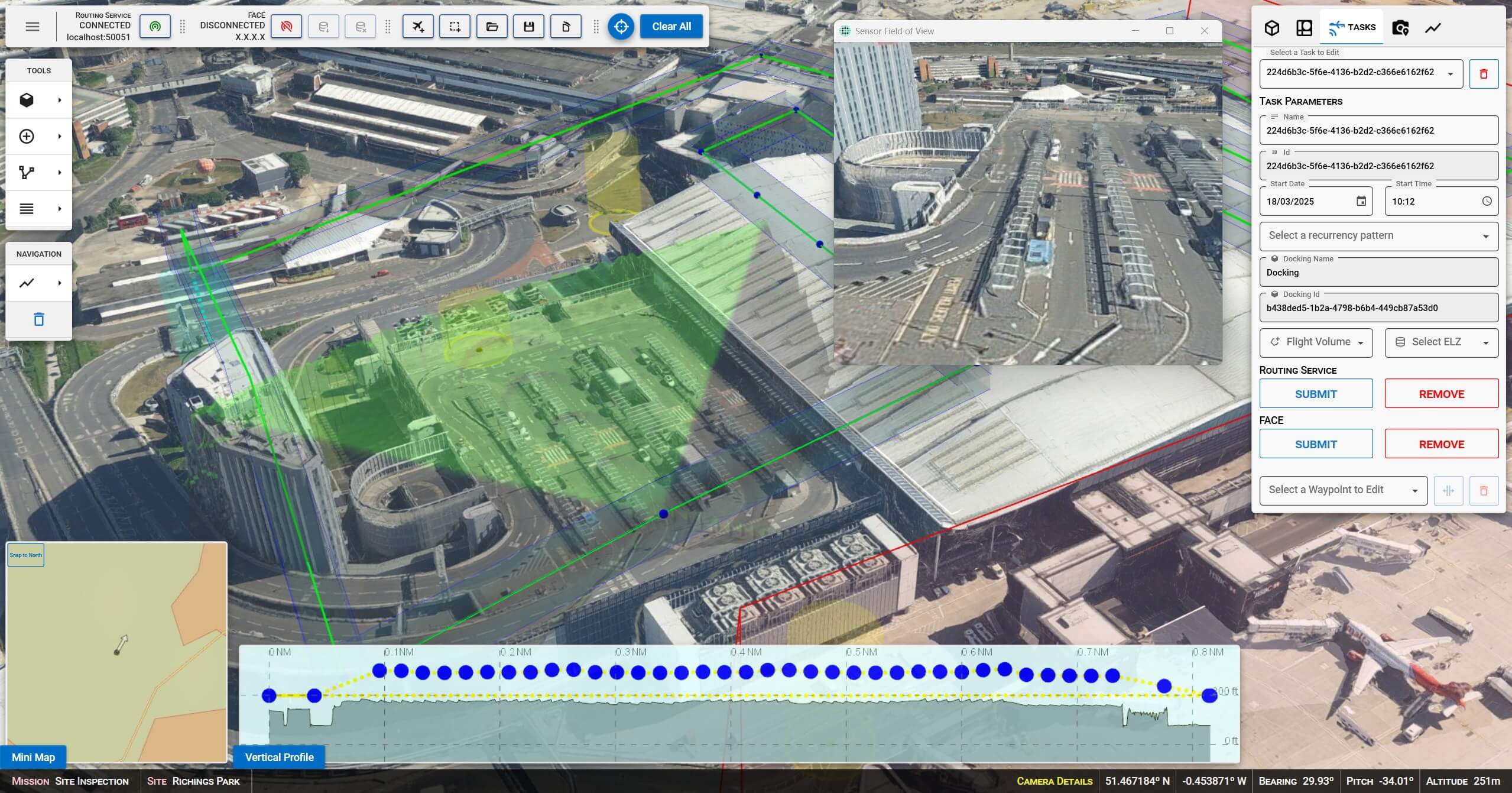
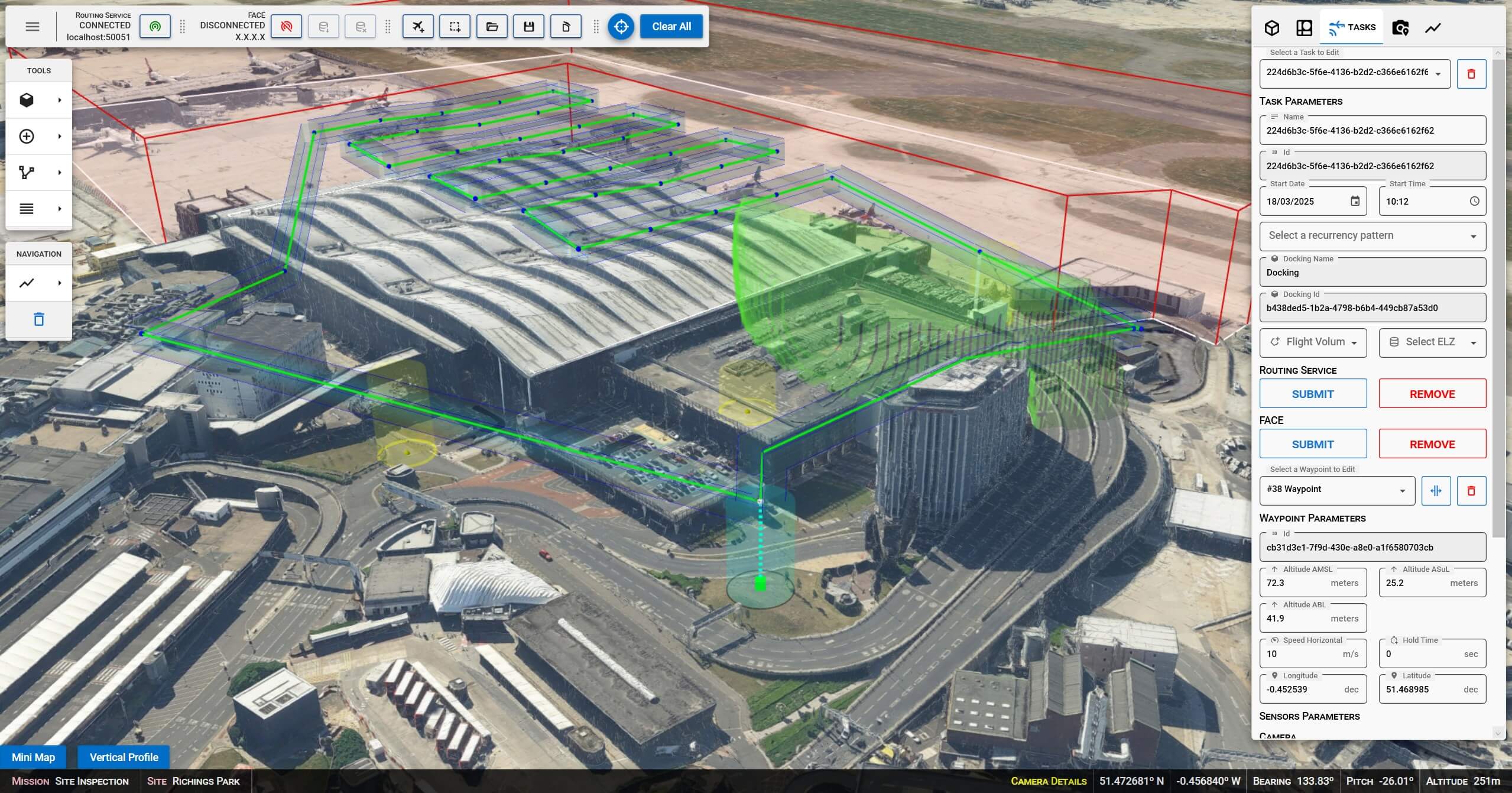
The project explored various use cases for autonomous drone operations, including perimeter surveillance, infrastructure inspection, and incident response. Capabilities developed by Carmenta in the project includes a 3D Graphical User Interface to plan UAS Missions and a set of backend services. The backend services were created to process flight plans, generate optimised routes for fence inspection, roof inspection, building inspection, apply route and obstacle deconfliction, and recommend landing zones for emergency procedures.
To generate optimal routes, obstacles such as buildings, restriction areas, overlapping UAS flight corridors, and sensor coverage need to be considered. If conditions for a route change, the route has to be regenerated and adapted in real-time.
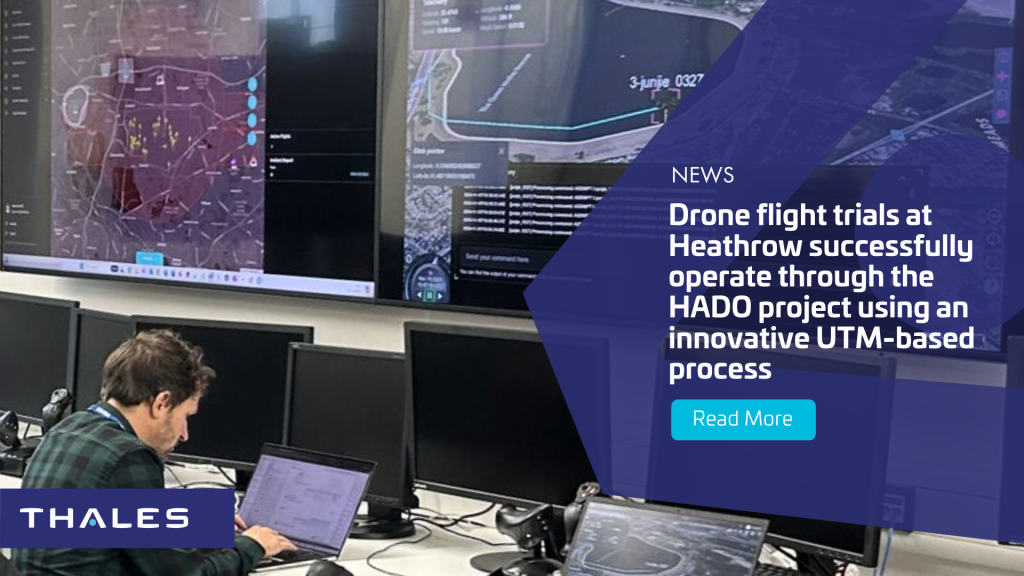
End of 2024, flight trials were conducted within Heathrow Airport’s Flight Restriction Zone (FRZ), aimed to demonstrate drone operations using an innovative UTM-based approval and deconfliction process.
The trials demonstrated the robustness and reliability of the developed systems. The results showcase operational benefits such as increased automation and faster turn-around times, and the possibilities ahead to continue working towards fully autonomous BVLOS flights in urban environments.
Another outcome from the project is recommendations on regulations, to enable fully autonomous BVLOS flight operations in dense urban environments.
Throughout the project, Carmenta technology has played a crucial role, providing geospatial visualization and analysis for safe autonomous drone operations. Carmenta has developed and provided a range of sophisticated functionalities, including:
Learn more: UAS Mission Planning use case
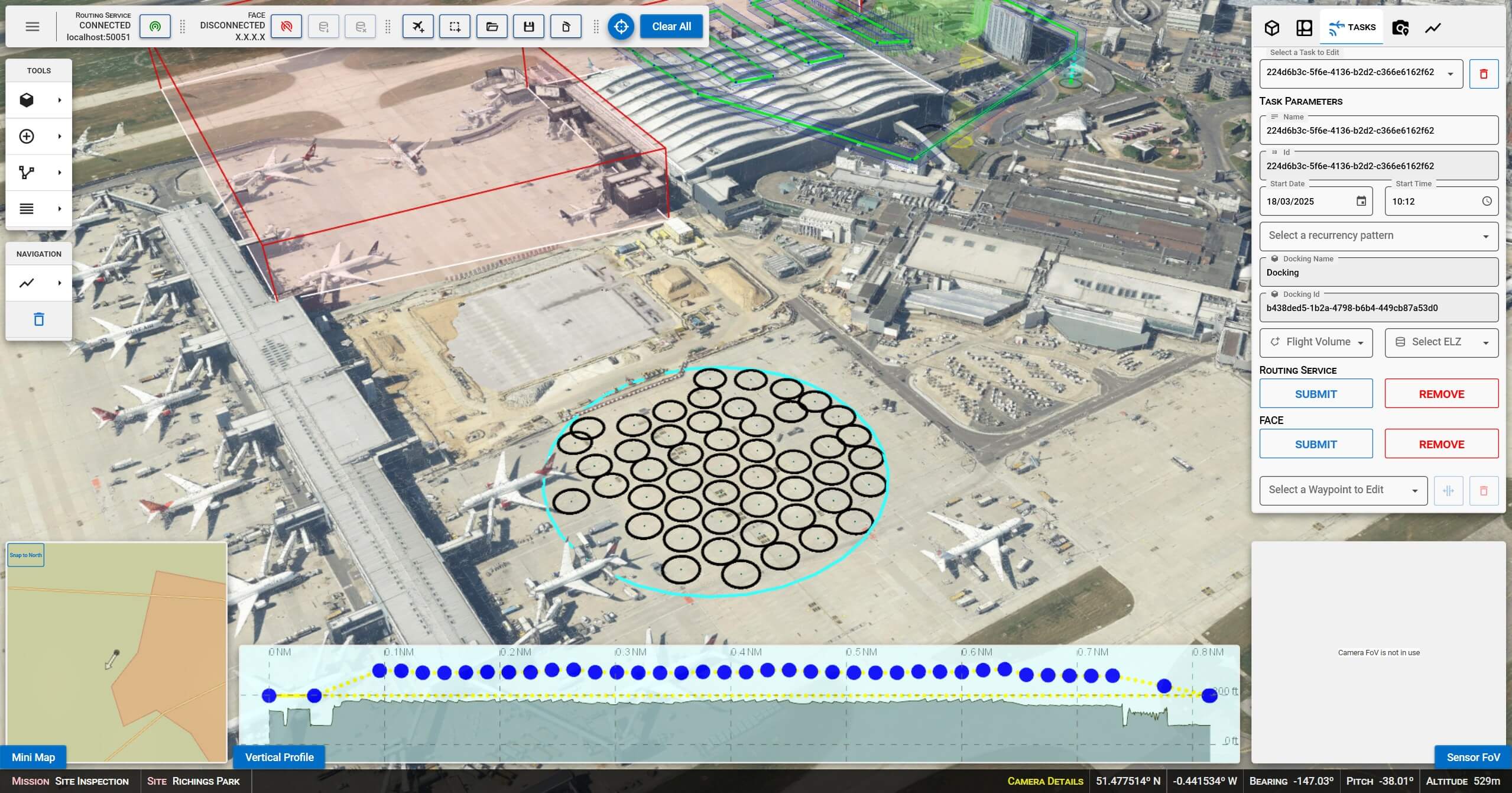
As urban areas continue to grow and evolve, the ability to safely integrate autonomous drones into the airspace will become increasingly important. The successful conclusion of this project opens up commercial use of autonomous unmanned systems (UAS) at airports or in cities.
The tools and capabilities developed by Carmenta also pave the way for further developments and we remain committed to advancing the field of autonomous drone technology. For example, the developed technology has already used as a stepping stone for further developments and adjustments in an autonomous drone project with the Swedish Armed Forces. We are looking forward to continuing to explore new opportunities and collaborations to further enhance the capabilities and applications of autonomous drones.
Discover how Carmenta Terrain Router integrates with ROS 2 Nav2 to enable real-time UGV route replanning, terrain-aware navigation, and improved survivability.
Read more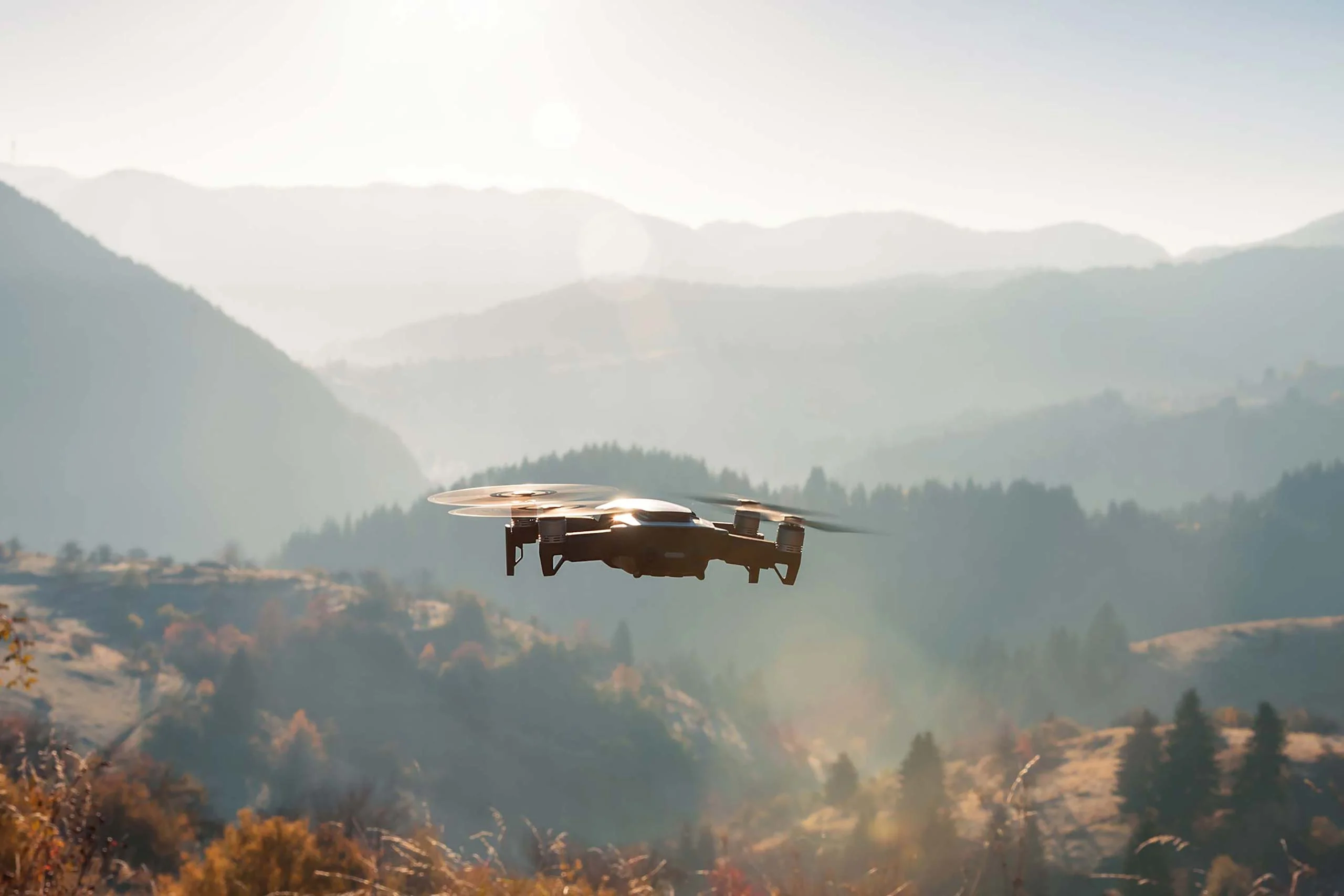
The evolving threat landscape in military operations underscores the importance of precise, adaptive, and intelligence-driven mission planning. Explore how geospatial analysis empowers UAVs to adapt to these challenges by enhancing situational awareness and supporting human and autonomous decision-making processes.
Read more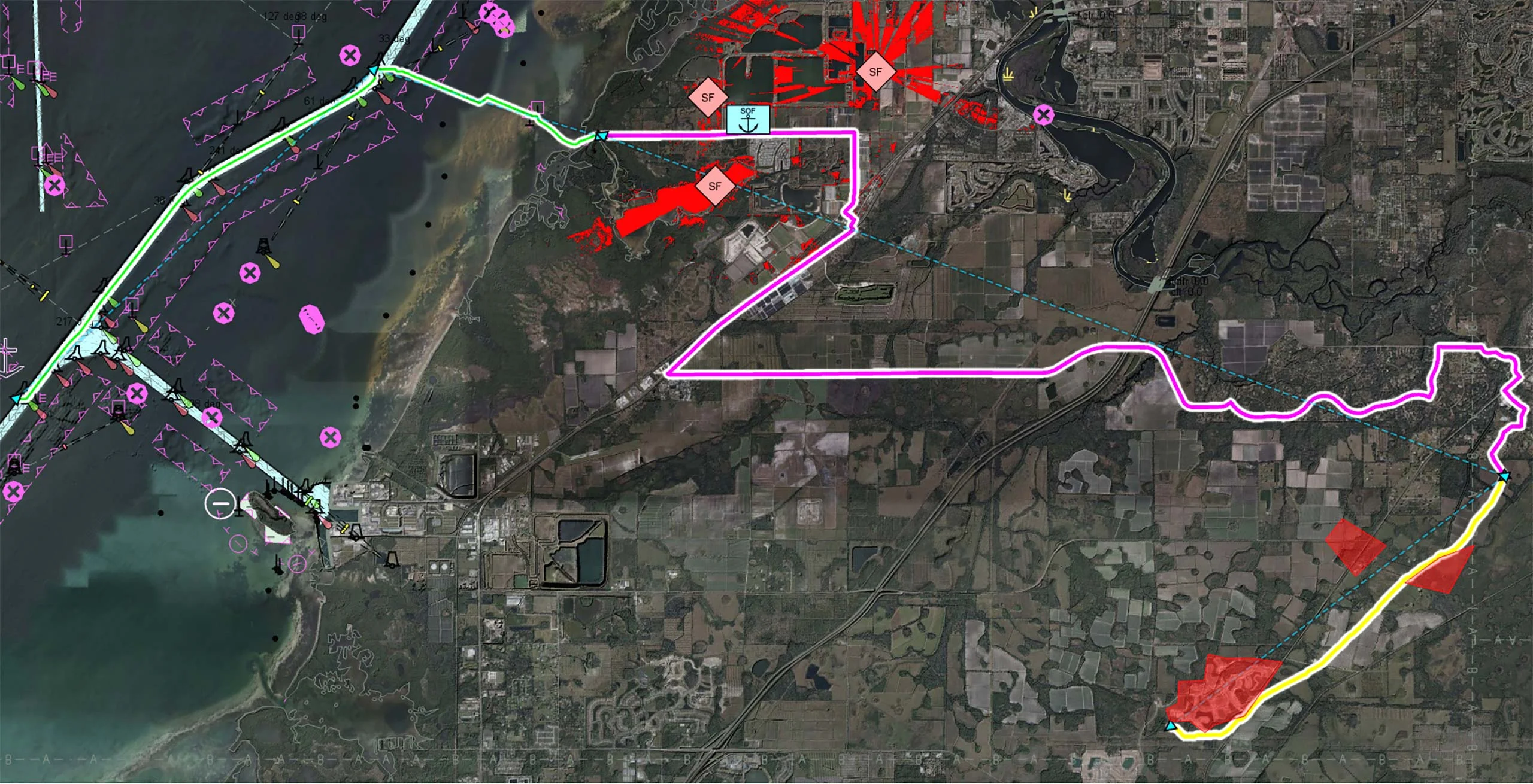
Multi-domain operations demand a high degree of interoperability, real-time responsiveness, and adaptive decision-making across diverse and often contested environments. Discover how Carmenta technology enables seamless coordination of uncrewed systems (UxS) across land, air, and sea in modern multi-domain operations.
Read more